This post contains affiliate links. As an Amazon Associate I earn from qualifying purchases, at no extra cost to you. Every link goes to Amazon Japan (amazon.co.jp), where prices are listed in Japanese yen and the site can be switched to English. The dollar figures below are rough guides only, so check the current price and whether it ships to your address before you buy.
Quick answer: If you just want the one that works, get a 100-prong white bamboo chasen (usually around $15 to $25). Around a hundred fine prongs froth a smooth cup without much practice, and it’s the all-rounder most beginners should start with. Read on for the full comparison.
So you bought a tin of matcha, and now you’re staring at a little bamboo tool wondering if it’s really worth it. I did the same thing years ago. I tried a metal kitchen whisk first. It didn’t work. The tea stayed lumpy, and it tasted flat.
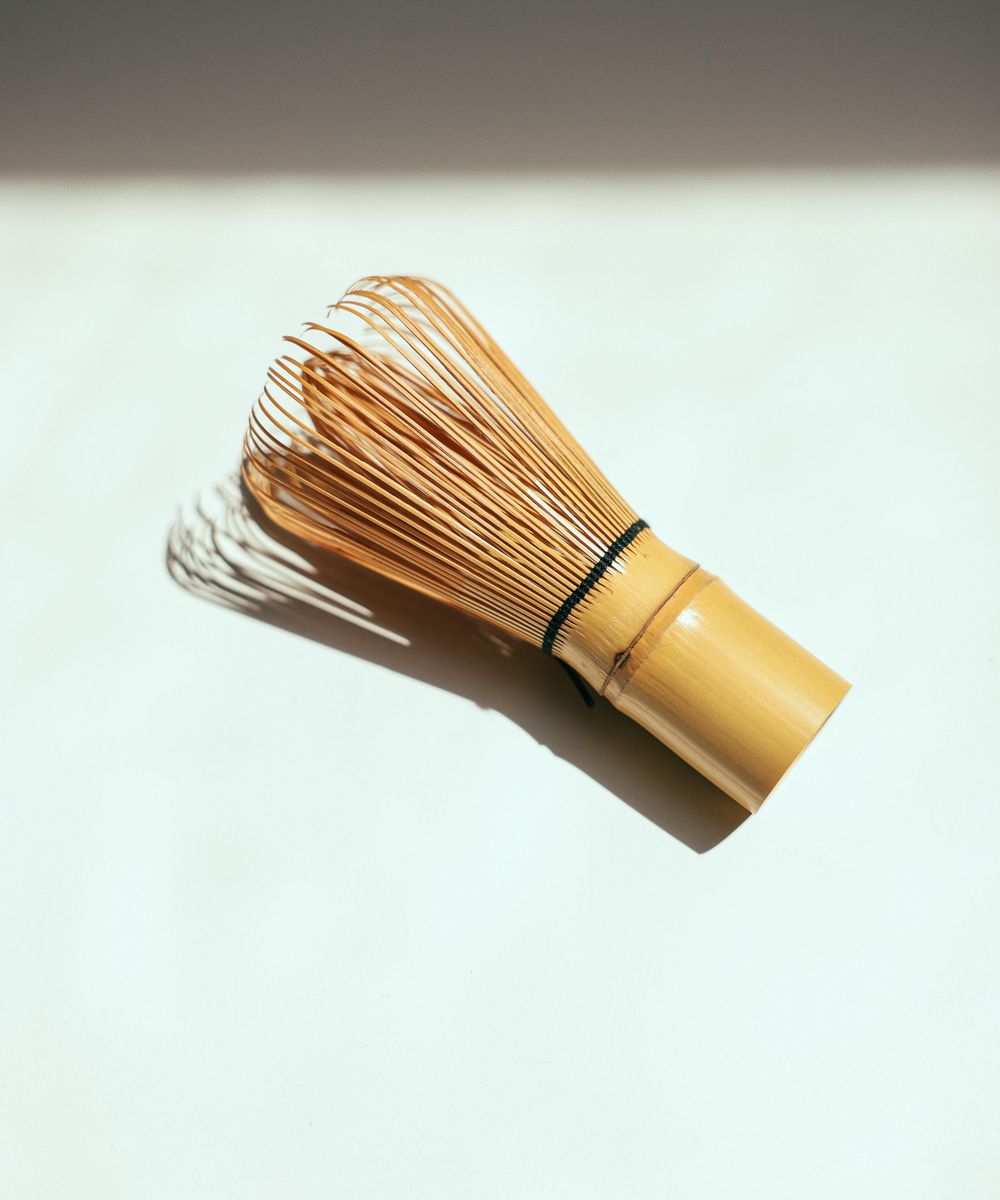
Here’s the short version. A chasen (茶筅) is a whisk carved from a single piece of bamboo, split into dozens of thin prongs. Those prongs break up the powder and pull air into the tea, so you get that fine, even foam on top. More prongs generally means an easier, finer froth; fewer prongs means a sturdier whisk and a coarser foam. For a beginner, a 100-prong whisk is the sweet spot — enough prongs to froth easily, not so fine that it wears out fast. That’s the one thing to understand before you buy.
This guide compares five whisks you can actually buy today, by price, build, and who each one suits. I’ll keep the tea-ceremony history light and the practical stuff heavy.
Comparison at a Glance
| Whisk | Prongs | Best for | Rough price |
|---|---|---|---|
| 100-prong white bamboo | ~100 | Best overall for beginners | $15–25 |
| Budget 100-prong | ~100 | Cheapest way to start | $8–15 |
| Premium 100-prong | ~100 | A nicer everyday whisk | $25–40 |
| Whisk + accessories set | ~100 | Everything in one box | $15–25 |
| Electric handheld frother | n/a | Speed and lattes | $10–15 |
1. 100-Prong White Bamboo Chasen — Best Overall
This is the one I recommend to almost everyone. Around a hundred fine prongs give you enough surface to whip up a proper foam without fighting the tea. You do the standard “W” or “M” motion for maybe fifteen seconds, and the top turns pale green and frothy. It makes a smoother, creamier foam than a coarse whisk, and white bamboo is the classic, light, flexible material most starter sets ship with.
Pros: forgiving for beginners; smooth, even foam; the all-round standard.
Cons: the fine prongs are delicate, so it needs gentle care.
Bottom line: the safe first buy for nine out of ten people. → See a 100-prong white bamboo chasen on Amazon, or a lower-priced 100-prong here.
2. Budget 100-Prong — Cheapest Way to Start
The cheapest way to find out whether matcha becomes a habit, without buying a metal kitchen whisk that won’t do the job. A basic mass-produced 100-prong bamboo whisk still froths a real bowl of matcha; the prongs are cut a little less evenly than a pricier one, but for your first few weeks you won’t notice.
Pros: very cheap; a real bamboo chasen, not a substitute; froths a proper foam.
Cons: less even prongs than a premium whisk; may wear a little faster.
Bottom line: buy this if price is the deciding factor and you just want to start today. → See a budget 100-prong on Amazon.
3. Premium 100-Prong — A Nicer Everyday Whisk
Once you know you’ll stick with the habit, a better-made 100-prong is a small, satisfying upgrade. The prongs are cut more evenly, so they splay cleanly and last longer, and a well-finished whisk simply makes the daily ritual nicer. If you want a hand-carved one, look for a chasen made in Takayama, the town in Nara that has produced them for centuries — worth seeking out once matcha is part of your routine.
Pros: more even prongs; feels better in the hand; lasts longer with care.
Cons: costs more than you strictly need to spend as a beginner.
Bottom line: the upgrade to make after a month of daily use. → See a premium 100-prong on Amazon.
4. Whisk + Accessories Set — Everything in One Box
If you’d rather not assemble your kit piece by piece, a set that bundles the whisk with extras (like a scoop and a whisk rest) removes the guesswork. A whisk rest in particular matters: it keeps the prongs in their curved shape between uses, which is the single biggest thing for making a chasen last.
Pros: one purchase, nothing missing; the whisk rest genuinely extends its life.
Cons: bundled extras vary by seller, so check what’s actually included.
Bottom line: the easy “just get me started” option. → See a whisk and accessories set on Amazon.
5. Electric Handheld Frother — Best for Speed
Not traditional, and I’ll say that plainly. But an electric frother whips matcha in seconds, and it’s easy to clean. If you drink matcha lattes on a busy weekday, it earns its spot.
The catch: it doesn’t produce the same fine, tight foam a chasen does, and a metal head can knock the delicate flavor of a good ceremonial matcha. I use one for iced lattes and the chasen for the morning bowl I actually sit down with.
Pros: fast; cheap; easy to clean.
Cons: coarser foam; not ideal for high-grade matcha; not the traditional experience.
Bottom line: a handy backup, not a replacement for a chasen. → See an electric frother on Amazon.
How Much Should a Beginner Spend?
You don’t need to spend a lot to start, and you shouldn’t. A solid 100-prong whisk gets you drinking good matcha today. Buy a budget one if you just want to test the habit, then upgrade to a better-made whisk after a month once you know your own taste. And whatever you buy, add a whisk rest to keep its shape.
How to Make a Chasen Last
A chasen is bamboo, so treat it like it. Rinse it in warm water before and after use, never soap. Let it dry on a whisk rest (kusenaoshi) so the prongs keep their curved shape. Replace it when prongs start snapping, which for daily use is usually several months to a year. Buy the whisk and a rest together and you’ll get far more life out of it.
FAQ
How many prongs does a beginner need?
Around 100 is the sweet spot: enough prongs to froth easily, not so fine that it wears out fast. You’ll see 80-prong (sturdier, coarser foam) and 120-prong (finer, creamier foam) whisks too, but a 100-prong is the easiest first buy and the most widely available.
Can I just use a regular kitchen whisk?
You can try, but it won’t give you the fine foam, and a metal whisk can dull the flavor of good matcha. The bamboo prongs are shaped for this one job. It’s a small tool that makes a real difference.
How long does a chasen last?
With daily use and proper drying, expect several months to a year before prongs start to break. A rest to keep its shape extends that noticeably.
Do I need to soak a new chasen before the first use?
A quick dip of the prongs in warm water before your first whisk helps them soften and splay, so fewer snap. It takes ten seconds and it’s worth the habit.
Final Thoughts
If you remember one thing, remember prong count: a 100-prong white bamboo chasen is the beginner’s default, and you can spend a lifetime enjoying matcha without needing anything fancier. Start there, add a whisk rest when you’re ready, and let the ritual do the rest.
New to matcha? Start with our beginner’s guide to making matcha at home.
↑ Back to top